
Understanding the psychology behind gambling behavior in casinos

Understanding the psychology behind gambling behavior in casinos
The Allure of Casinos
The vibrant lights, enticing sounds, and atmosphere of excitement create a magnetic pull for many individuals drawn to casinos. This captivating environment is meticulously designed to heighten emotions, contributing to the overall experience. Many players might not realize that they can enhance their time at these venues with new $1 deposit casinos, all while enjoying a sensory overload that can lead to an altered state of consciousness, making it easier for them to lose track of time and money.
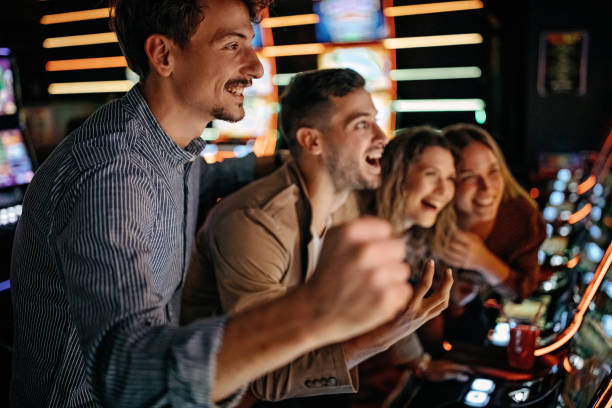
This allure is not purely coincidental; casinos implement psychological strategies to keep players engaged. For example, the placement of slot machines near food and beverage outlets encourages players to stay longer and gamble more. Understanding this environment is crucial for recognizing how it influences gambling behavior.
Cognitive Biases in Gambling
Cognitive biases play a significant role in gambling behavior, affecting decision-making processes. One prevalent bias is the illusion of control, where gamblers believe they can influence the outcome of a game. This can lead to overconfidence and risky betting, as players may think they can “beat the house.”
Another common cognitive bias is the gambler’s fallacy, which suggests that past events will influence future outcomes. For instance, a player may believe that a slot machine is “due” for a payout after a series of losses. These biases can create a false sense of security, encouraging continued play despite negative outcomes.
The Role of Emotions in Gambling
Emotional factors significantly influence gambling behavior, often driving individuals to play for reasons beyond monetary gain. Many gamblers seek an adrenaline rush or an escape from daily stressors, leading to impulsive decisions and compulsive behavior. The emotional highs and lows associated with winning and losing can create a rollercoaster of feelings, making it challenging for players to quit.
Furthermore, positive reinforcement plays a pivotal role in sustaining gambling behavior. Winning, even sporadically, releases dopamine—a neurotransmitter associated with pleasure. This biochemical reaction can lead to an addictive cycle where players chase that next high, further entrenching them in the gambling environment.
Social Influences on Gambling Behavior
Social factors are crucial in understanding gambling behavior. The presence of peers can significantly impact an individual’s decision to gamble. Whether in a casino or at home, the social aspect can create a sense of camaraderie that reinforces gambling. Group dynamics can lead to shared experiences, amplifying the thrill and excitement of betting.
In addition, cultural attitudes towards gambling can shape individual behaviors. In some communities, gambling is viewed as a social pastime, while in others, it may carry stigma. Understanding these social influences is essential for comprehending why individuals gamble and how their behavior is shaped by their environment.
Exploring Online Casinos and Responsible Gambling
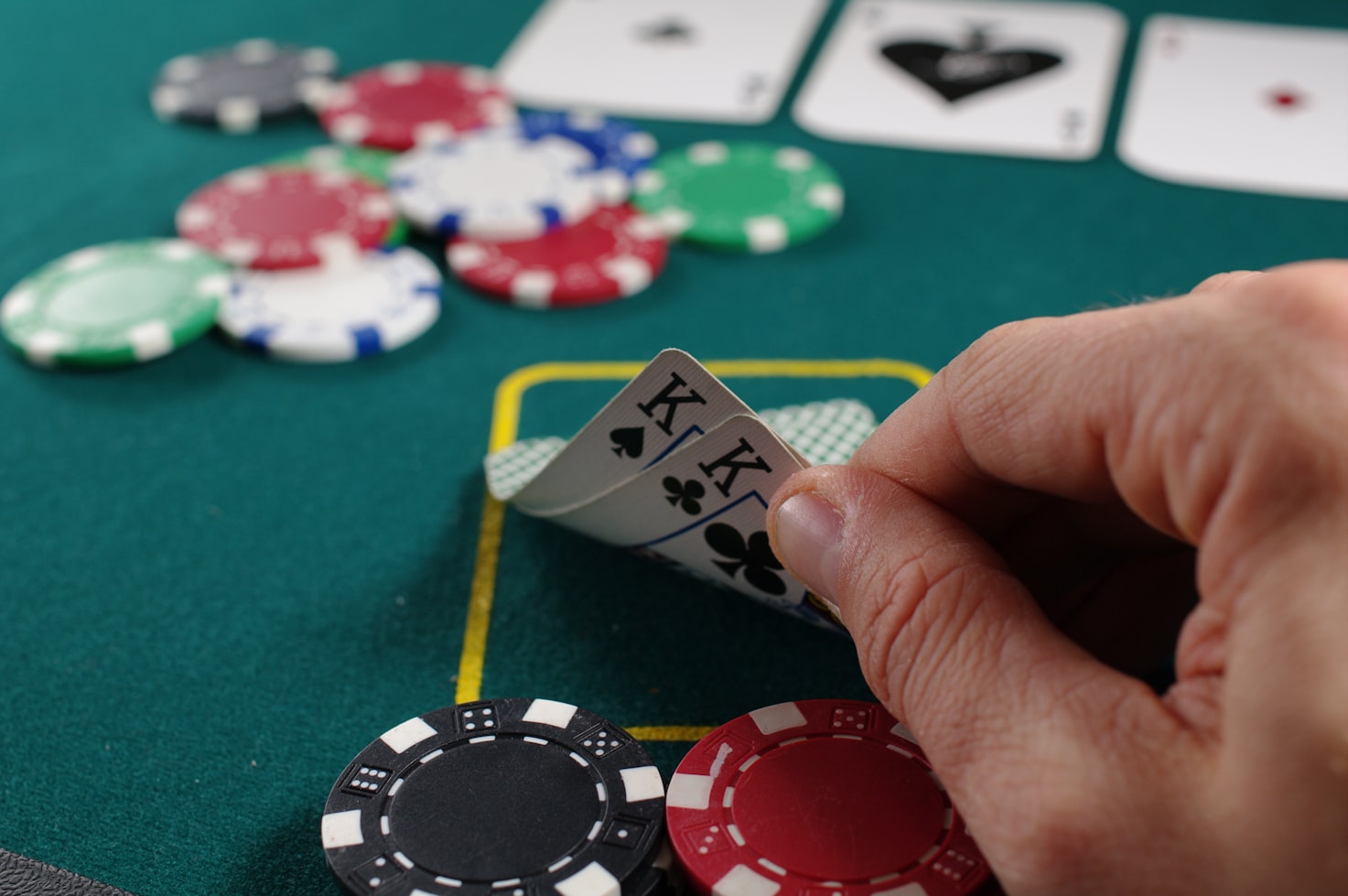
In today’s digital landscape, the rise of online casinos has transformed gambling behavior. The convenience of accessing games from home has made it easier for individuals to gamble, but it also raises concerns about responsible gaming. Online platforms often incorporate features that promote safer gambling practices, such as setting limits on deposits and playtime.
As more players explore virtual gambling options, understanding the psychological factors driving behavior remains essential. Resources and support systems are available for individuals struggling with gambling addiction. Awareness of these factors can encourage responsible gambling and foster a healthier relationship with gaming.